- New in 2026 Photos
- Galleries
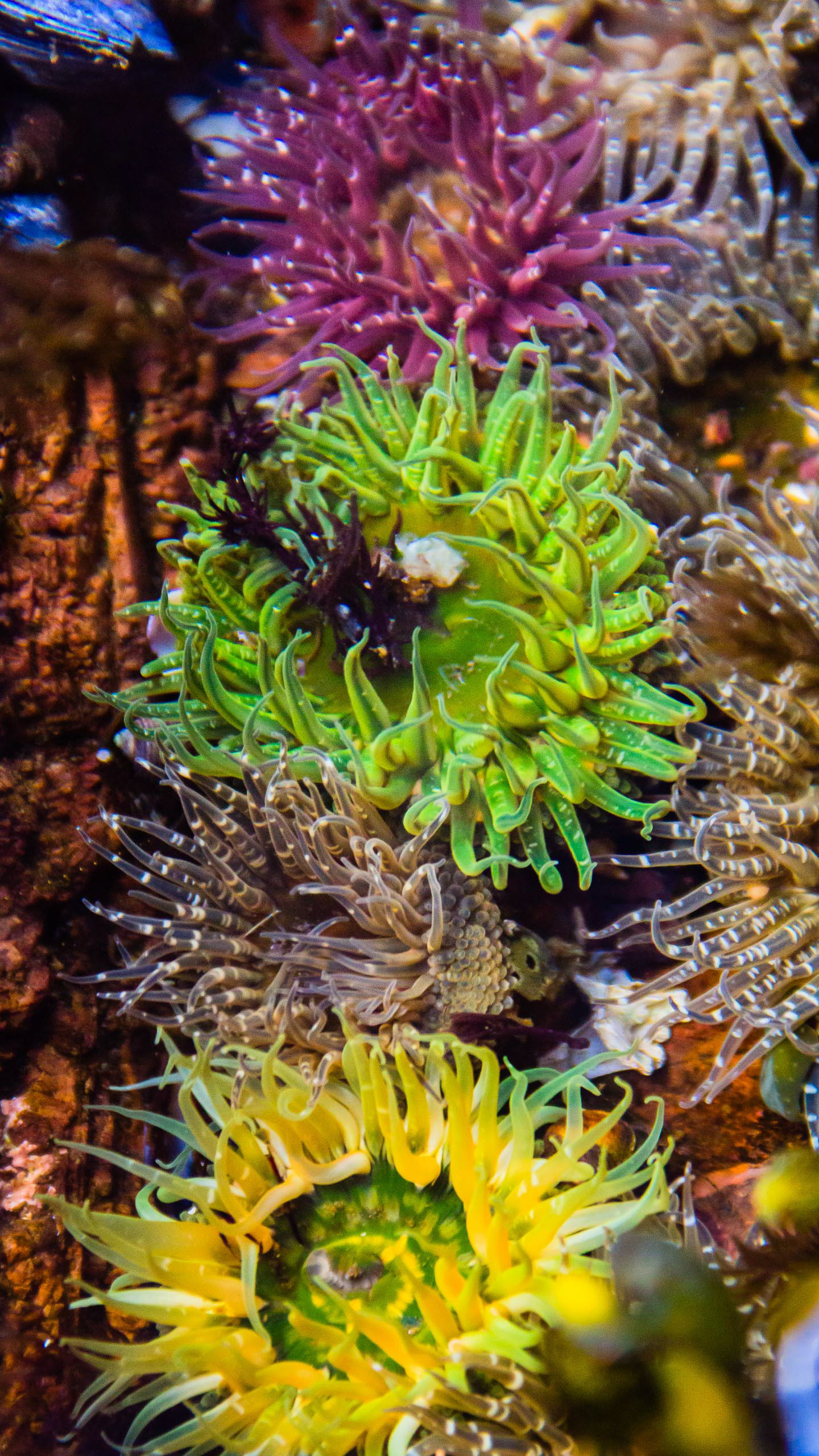
Vibrant sea anemones cling firmly to rocks and tidepools along Alaska’s rugged coast, their soft, colorful tentacles waving gently with the rhythm of the ocean currents. These fascinating invertebrates are closely related to corals and jellyfish, and their tentacles are lined with stinging cells called nematocysts, which they use to capture tiny plankton, small fish, and other prey drifting in the water. Sea anemones provide more than just visual splendor—they form miniature underwater gardens, offering shelter and protection for small crustaceans, snails, and juvenile fish, creating a microhabitat teeming with life. Many species are highly resilient, able to survive in the cold, nutrient-rich waters of Alaska while enduring exposure during low tides, fluctuating salinity, and shifting wave action. Observing them in tidepools and along rocky shorelines reveals the intricate ecological web of Alaska’s coastal ecosystems, where these seemingly simple animals play a vital role in sustaining the diversity and productivity of marine life. Photographer: Sean Neilson